

Marc’s Story
“I realized that just sitting around worrying about where I’m heading, due to Alzheimer’s, was not how I wanted to spend the rest of my time.”
—Marc Ehrlich
Finding Purpose in Community After an Alzheimer’s Diagnosis
When Marc Ehrlich received his Alzheimer’s diagnosis, he felt like the future he had imagined disappeared overnight.
For more than two years, Marc searched for answers after noticing changes in his memory that reminded him of his father’s experience with dementia. He was initially diagnosed with mild cognitive impairment (MCI). Additional testing later showed his MCI was a result of the earlier stages of Alzheimer’s disease.
The news was devastating. “I thought, it’s over.”
Soon after, Marc stopped practicing dentistry and sold his practice. Without the career that had shaped much of his adult life and uncertain about what an early Alzheimer’s diagnosis would mean for his future, Marc struggled to figure out what came next.
A couple of months after Marc’s official diagnosis, he decided he needed to seek more support. He attended his local Alzheimer’s Association meeting, where for the first time he interacted with people who were also navigating the earlier stages of Alzheimer’s.
“I wasn’t alone.”
That realization mattered. For Marc, the support group brought a sense of connection he hadn’t realized he was missing. It helped him begin recovering emotionally from his diagnosis and reconsider what life with the earlier stages of Alzheimer’s could look like.
“We understand, like no one else, what we are dealing with given the diagnosis.”
Embracing community sparked a newfound purpose in Marc. He became increasingly involved with Alzheimer’s advocacy activities, speaking about policies affecting people living with Alzheimer’s and sharing his story. As a self-described former introvert, finding opportunities like these to become more outgoing has been a positive shift in his life post-diagnosis.
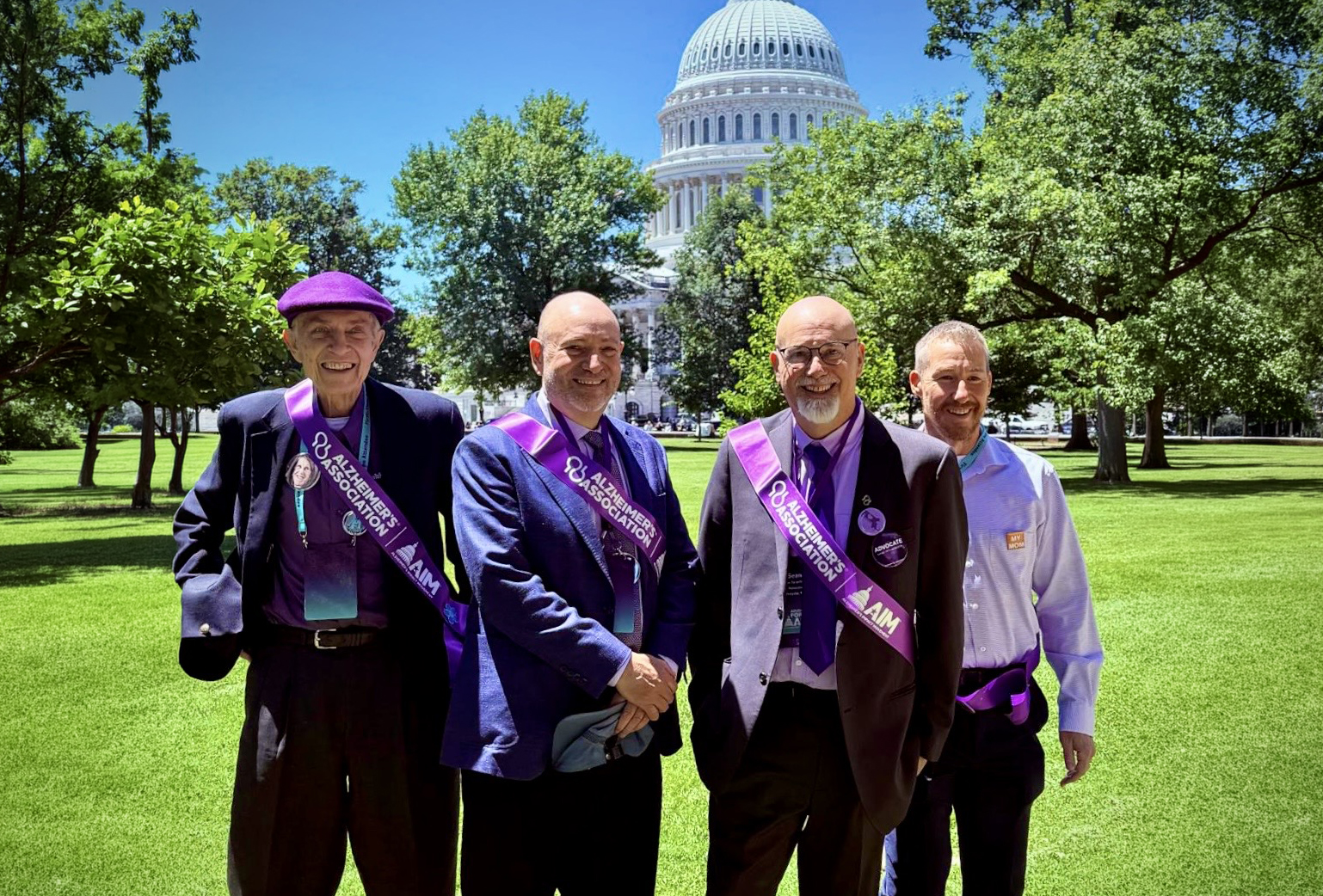
“Being an advocate gives me purpose.”
Alongside his deep passion for advocacy, Marc strives to spend his days intentionally.
His mornings usually begin with reading the newspaper front to back and playing cognitive games to support his brain health. He then spends part of his day reading non-fiction books and walking around his home city, some of his favorite activities. And he always finds time for a hobby he has loved since childhood — photography.
Marc also makes conscious decisions to support his overall health. He prioritizes getting enough sleep, eating a balanced diet and socializing often.
“I realized that just sitting around worrying about where I’m heading, due to Alzheimer’s, was not how I wanted to spend the rest of my time.”
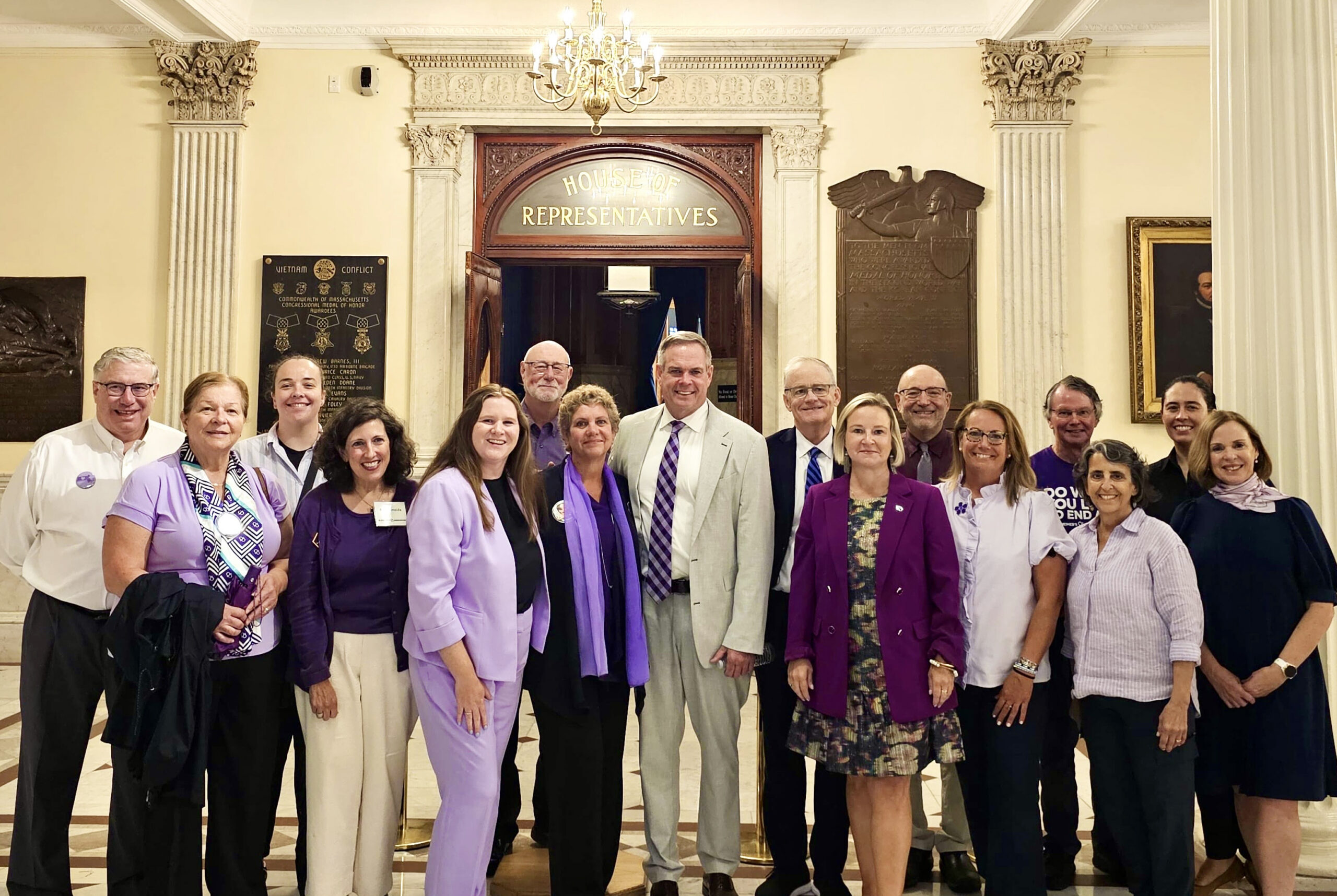
Marc once believed his diagnosis had taken away his future. Today, he sees how he can live with the earlier stages of Alzheimer’s while having a greater sense of intention, purpose and gratitude.
He makes time to reflect on this each night, when he thinks of three things he was grateful for that day.
“Most nights, I find much more than three.”