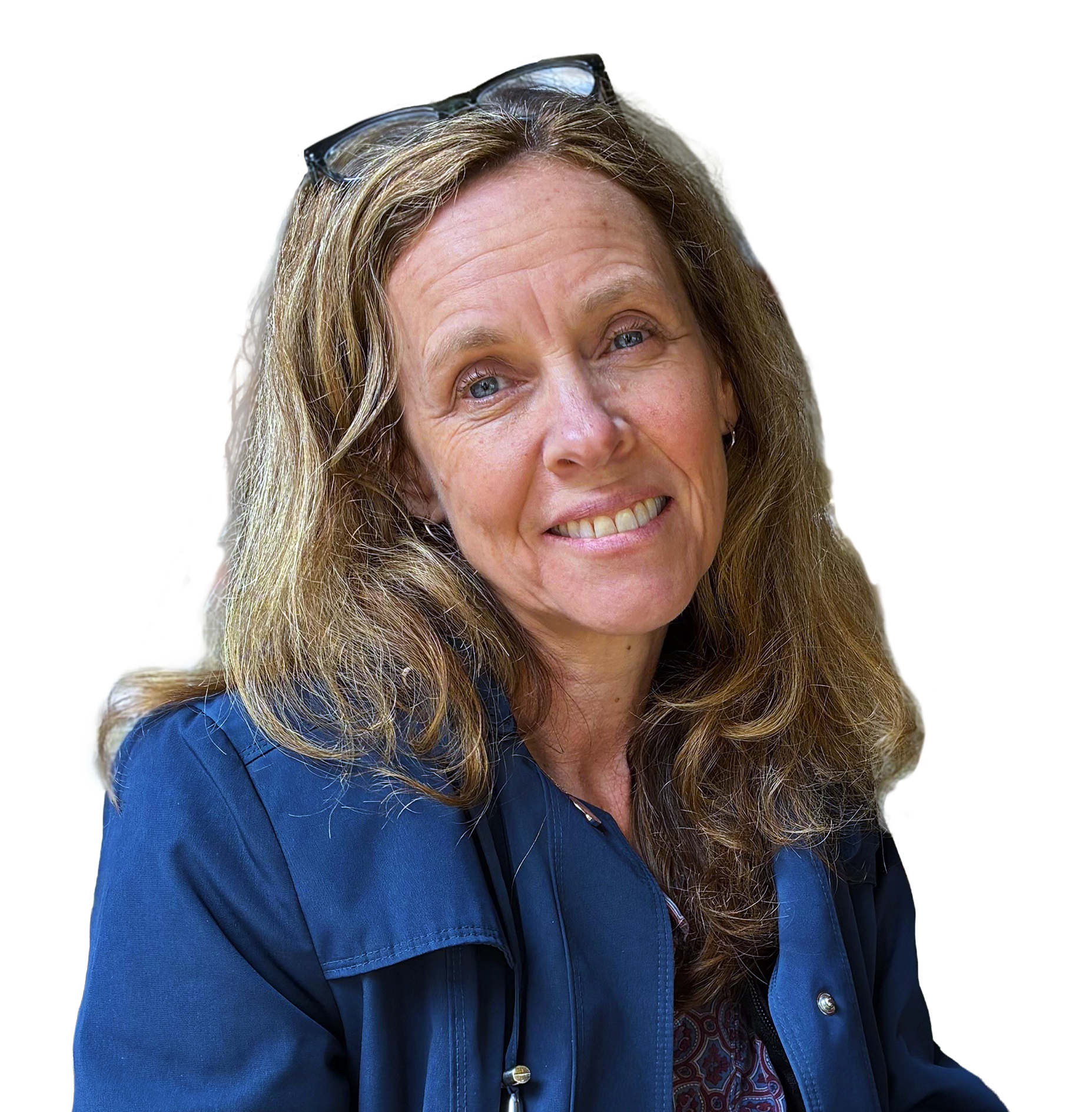
Tracey’s Story
“You have to find a little light, the glimmers in the situation. We’re trying to make good memories, and I'm still trying to live my life.”
—Tracey Collins
Tracey Knew Something Was Wrong. An Early Diagnosis Gave Her Focus.
Tracey Collins had always been a high performer, building a career in public relations while raising three children. She handled life with ease until, suddenly, she couldn’t get through her day without difficulty.
After pivoting to a job at her children’s school, Tracey noticed that small things began to feel overwhelming. Tasks that once came easily to her were now confusing, and technology that she had previously mastered became a source of frustration — early signs of cognitive impairment that she couldn’t quite name. Her memory started to falter. Then, came a moment she couldn’t ignore. She had the same conversation with a colleague twice in twenty minutes and didn’t remember.
“I was not doing so well, memory-wise.”
Family and friends encouraged her to get tested, so she decided to make an appointment with a neurologist who eventually diagnosed her with early-stage Alzheimer’s disease. The diagnosis landed with both clarity and fear.
“It was kind of a double-edged sword. I knew now that it wasn’t just me.”
But more than anything, it gave her something she hadn’t had before: an answer. And with that answer, something else came into focus – time. Knowing early gave her a chance to step away from work on her own terms. To organize her finances. To make sure her children would be okay.
And most importantly, it gave her the ability to be present and to choose how she would spend her time.
“We’re trying to make good memories.”
That clarity led to a decision she might not have made otherwise. When Koenraad — a friend she’d met while living in Amsterdam decades ago — planned a cross-country bike ride to raise money for Alzheimer’s research, Tracey knew immediately: “I have to go along.”
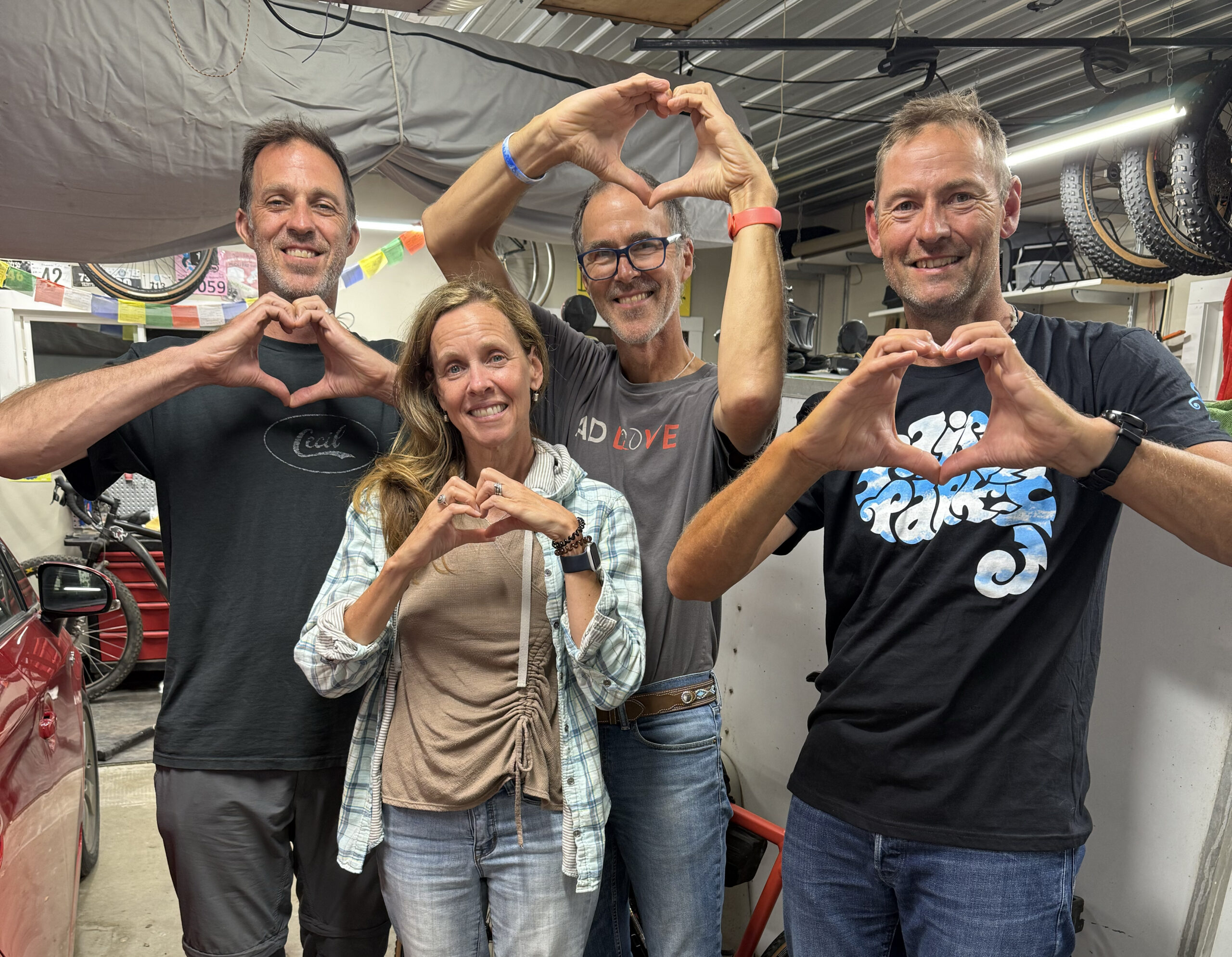
For six weeks, Tracey, along with her partner Scott and his brother, followed Koenraad from Portland, Oregon to Portland, Maine, living out of a small van and documenting their experience. The van wasn’t exactly what she had in mind.
“I wanted a Winnebago with a bathroom. But I got the van.”
Living on the road was unpredictable. Even simple things felt harder in constant motion. And yet, she chose to go anyway. Tracey cried some mornings, but she laughed most nights.

“I was with people that I loved, doing something that I enjoyed.”
Everywhere they went, people noticed the van with a big purple heart on it — an Alzheimer’s symbol. At campgrounds and coffee shops, strangers walked over to talk. They shared stories about their families. Sometimes people brought food. Sometimes they just stood there talking.
“They’d come over and say, ‘I have a mother or family member with Alzheimer’s.’ We met so many people that related to this disease.”
In those moments, Tracey wasn’t just living with Alzheimer’s. She was helping people face the disease.
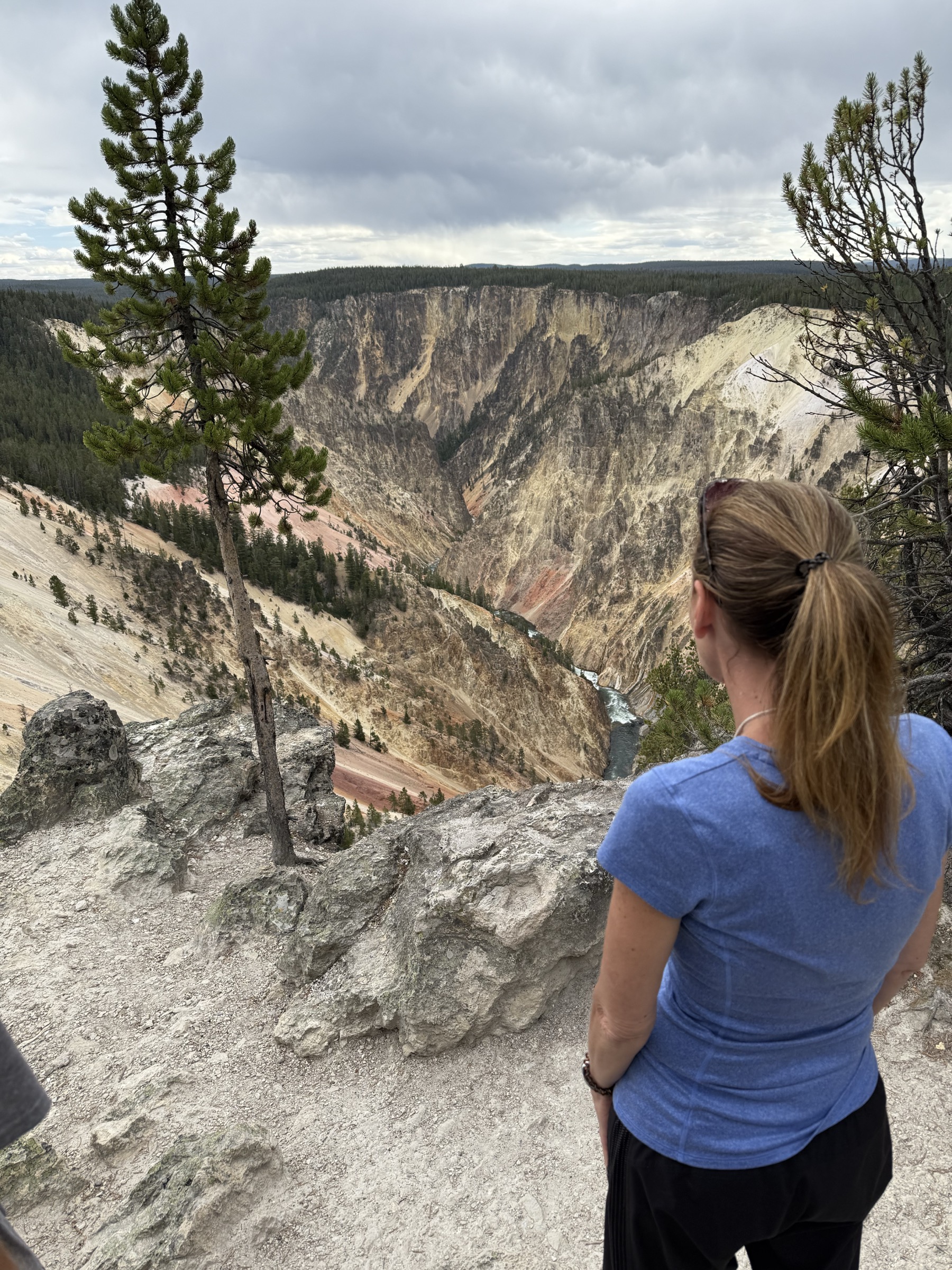
Back at home, Tracey’s life doesn’t look the way people expect. She goes to the gym five days a week and is engaged in her community, showing up to do the things she loves. She paints watercolors at her local library and sits on the board. She volunteers, advocates and sings in her church choir. She also finds time to laugh.
The van trip stays with her. In that small, messy, crowded space, she proved something to herself. That she is still capable. Still Tracey.
For Tracey, early diagnosis didn’t just give her a name for what was happening. It gave her control, an opportunity to plan, a trip of a lifetime and a chance to decide how she would live with Alzheimer’s without being defined by it.