
The Power of Knowing Early
A new era of Alzheimer’s care
Advancements in testing options — including cognitive assessments, imaging and FDA-cleared blood-tests — are making it possible to identify Alzheimer’s disease earlier.
Treatment options have also expanded. Many FDA-approved therapies work best when started early, with some specifically designed for people living with the earlier stages of Alzheimer’s. For people who may benefit from these treatments, an early diagnosis can be significant.
An early Alzheimer’s diagnosis can help people reshape what’s possible about living with the earlier stages of the disease
For those diagnosed with Alzheimer’s, receiving the news is never easy. It can bring uncertainty, fear and deeply difficult questions. However, for many people diagnosed with the earlier stages, it is the beginning of something important — a chance to make informed choices, have meaningful conversations with loved ones and plan for the future.
Types of planning possible for those who receive an early diagnosis
 Wellness planning: Prioritizing exercise, mindfulness, healthy eating, quality sleep and other healthy habits.
 Treatment planning: Speaking with healthcare providers about potential treatment options and what may be the right fit.
 Care planning: Taking control of future care decisions, including medical, daily caregiving and legal needs.
 Financial planning: Estimating care costs and future financial needs, including choosing a trusted member of the care team to help manage financial decisions.
 Community support planning: Exploring community assistance programs and available support services.
Sharing the news with family, loved ones and others for individuals diagnosed with Alzheimer’s

Telling family and loved ones about an Alzheimer’s diagnosis can be deeply personal and difficult for those living with the disease. While there’s no single right way to do it, having open conversations often serve as a meaningful step in people’s journeys.
An early diagnosis is giving individuals living with Alzheimer’s and families the opportunity to build a support network, express care preferences and plan together for what lies ahead. These conversations can strengthen relationships and build a foundation of support with the people who matter most.
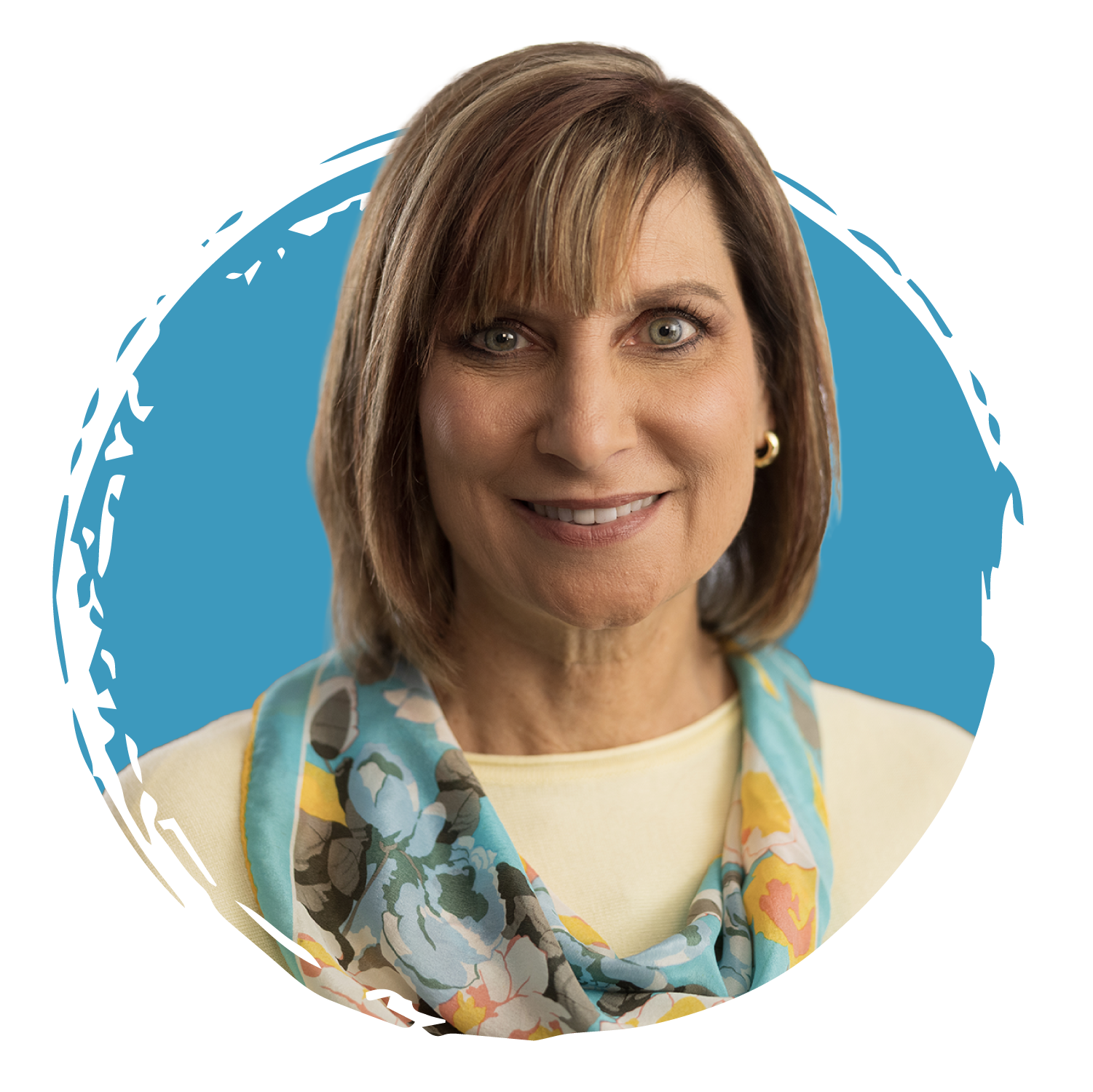
“Early diagnosis is critical, especially now. It gave me the opportunity to make sure that I had a say in what the rest of my life looked like.”
Knowing early is giving people a say in what comes next
For many people, knowing early means having more time to make decisions about their care, their relationships and how they want to live.
Personal storytelling
is changing how we think about Alzheimer’s.
Meet people living in the earlier stages of Alzheimer’s through their own words — sharing how they navigate each day with strength, connection and hope.
Learn More